How to Choose the Top Fish Filleting Knife for Your Requirements
To select the correct fish filleting knife requires careful thought. Different types of knives serve different needs. Factors like blade flexibility, length, and handle design play vital roles in performance. Understanding these elements helps make better choices. However, with numerous options available, finding the best fit can seem overwhelming. What specific features should one focus on to boost their filleting experience?
Grasping the Distinct Types of Fillet Knives
Numerous filleting knives obtainable in various types, each engineered to address distinct requirements in fish preparation. The most frequently chosen types showcase flexible, stiff, and electric filleting knives. Flexible knives are outstanding for tender fish, permitting smooth, precise slicing along the bone. Stiff knives, conversely, supply more stability and power, making them fitting for larger fish. Electric filleting knives supply quickness and efficiency, especially useful for those who consistently process large quantities of fish.
Additionally, there are dedicated blades for specific species, such as salmon or trout, which exhibit unique blade shapes. The selection of materials also fluctuates, with stainless steel being the most popular due to its corrosion-preventing abilities and effortless maintenance. Comprehending these distinctions permits individuals to select the suitable blade tailored to their particular fish-filleting requirements, ensuring a more effective and delightful fish preparation experience.
Essential Features to Consider in a Filleting Knife
A excellent fish knife is necessary for creating smooth and effective cuts when preparing fish. When choosing a boning knife, vital features should be considered. First, the blade's flexibility is vital; a highly flexible blade allows for improved navigation around bones and contours. The best blade length typically ranges from 6 to 9 review article inches, suited for various fish sizes.
Ergonomics also factor significantly to functionality; a well-designed handle delivers better control and alleviates hand fatigue during sustained use. A slip-resistant grip is especially important for upholding safety in wet conditions.
Additionally, the knife should include a sharp edge that can be easily maintained, as a sharp blade reduces exertion and enhances precision. Finally, assess the weight; a well-balanced knife enhances control, making the filleting process more efficient. Each of these aspects adds to the overall performance and usability of a filleting knife.
How Various Materials Impact Filleting Knife Capabilities
Fish fillet knife performance is considerably influenced by the materials used for both the cutting edge and grip. Different blade substances, like stainless steel or high-carbon steel, provide different degrees of sharpness and longevity, and handle ease may affect operator control during fish preparation. Additionally, corrosion resistance is vital for maintaining the knife's longevity in wet environments.
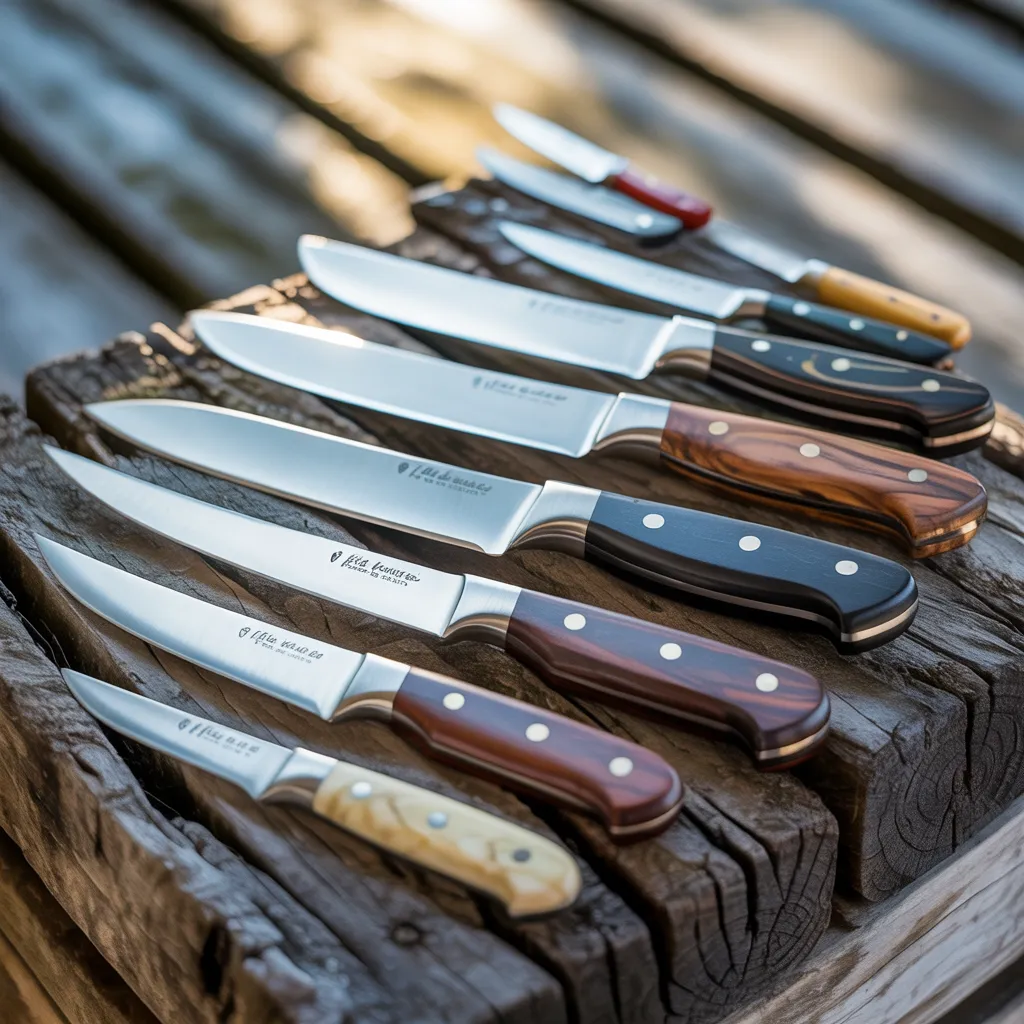
Various Blade Material Types
Selecting the appropriate blade material is essential for enhancing a filleting knife's functionality. Common materials include stainless steel, carbon steel, and ceramic, each offering different advantages. Stainless steel is popular for its anti-rust properties and low maintenance requirements, making it ideal for both freshwater and saltwater environments. Carbon steel, while demanding more attention to prevent rust, is renowned for its cutting edge and blade durability, which is vital for accurate filleting. Ceramic blades, although uncommon, deliver exceptional sharpness and hardness but can be brittle, making them less suitable for tougher fish. Ultimately, the choice of blade material influences longevity, maintenance, and the general performance of filleting, influencing the user's experience markedly.
Regulate Well-being Tiers
The blade material substantially influences a filleting knife's effectiveness, yet the handle's comfort level must not be forgotten. The choice of handle material directly shapes user experience during lengthy filleting sessions. Ergonomic designs promote a secure grip, reducing fatigue and improving precision. Common materials include wood, plastic, and rubber.
Wood gives a timeless quality but may lose grip when wet. Plastic is featherweight and simple to clean, but it may not deliver the same tactile feedback. Rubber, conversely, specializes in creating a slip-resistant hold, critical for working with slippery fish. Ultimately, a pleasant grip facilitates superior control, making it a vital aspect in picking the right filleting knife for both amateur and professional fishers.
Corrosion Resistance Factors
Rust resistance constitutes an essential factor that greatly influences the functionality and durability of a fish filleting knife. Knives fabricated from stainless steel, for instance, exhibit exceptional resistance to rust and corrosion, positioning them ideal for regular use in wet environments. High-carbon steel, though sharper and more straightforward to sharpen, tends to be more vulnerable to corrosion and requires regular maintenance. Moreover, treatments including titanium or ceramic can strengthen corrosion resistance, offering a safeguarding layer against moisture and acids contained in fish. Users must consider their specific needs and maintenance choices when selecting materials, as the choice between strength and easy care can substantially affect the knife's overall functionality and lifespan.
Why Knife Elasticity Is Critical for Deboning Fish
A flexible blade is crucial for effective fish filleting, as it allows for accurate movements along the contours of the fish. This adaptability allows the knife to glide smoothly between the skin and flesh, guaranteeing clean, even cuts. A blade with the right amount of flexibility gives the user with better control, allowing for detailed maneuvers around bones and fins without harming the meat. Different fish species require varying degrees of flexibility; for example, delicate fish like sole benefit from a more pliable blade, while sturdier fish may require a stiffer option. Additionally, the flexibility of the blade can minimize the risk of tearing or tearing the flesh, which is critical for presentation and quality. Ultimately, selecting a knife with appropriate blade flexibility can greatly improve the efficiency and effectiveness of the filleting process, resulting in superior fillets and a more enjoyable experience for the user.
Selecting the Best Handle Design for Ease and Control
When selecting a fish filleting knife, the handle construction greatly shapes both command and comfort. Ergonomic shapes can strengthen grip and minimize fatigue, while the material type influences how firmly the user can hold the knife. Knowing these factors is indispensable for accomplishing peak performance during filleting tasks.
Ergonomic Handle Designs
Identifying the most suitable comfort-based handle configuration is fundamental for accomplishing comfort and control while filleting fish. A skillfully designed handle can considerably diminish hand fatigue during sustained periods of use. Curved or contoured shapes regularly yield a natural grip, promoting optimal maneuverability and precision. Some handles display finger grooves or textured surfaces, reinforcing grip stability, which is crucial when handling slippery fish. Additionally, the size of the handle should match up with the user's hand for excellent control; a handle that is too large or too small can undermine performance. Ultimately, the best ergonomic handle shape will provide for individual preferences, ensuring a balance between comfort and functionality while filleting. This consideration forms the basis of the overall efficiency of the filleting process.
Material Significance on Grip
The pick of material for a fish filleting knife handle influences grip and comfort. Substances such as wood, plastic, and rubber each offer distinct advantages. Wooden handles provide a time-honored feel and can be comfortable to hold but may require more care to prevent moisture absorption. Plastic handles are lightweight and often textured for superior grip, making them fitting for wet conditions. Rubber handles tend to excel in providing a non-slip surface, enhancing security during filleting tasks. Additionally, the finish of the handle material plays a key role in comfort for users; a smooth finish may feel comfortable initially but could become slippery when wet. Ultimately, selecting the right material can impact the productivity and enjoyment of the filleting process.
Recommended Filleting Knives for Every Budget
A carefully chosen filleting knife can boost the effectiveness and enjoyment of filleting fish. For price-aware buyers, the Rapala Fish'n Fillet Knife stands out as an excellent choice. With a price near $20, it features a flexible blade that is perfect for a variety of fish sizes.
Within the mid-range segment, the Dexter-Russell Sani-Safe Fillet Knife, priced at around $50, delivers a balance of quality and durability, showcasing a ergonomic handle and a dependable stainless steel blade.
At the higher end, the Wüsthof Classic Fillet Knife is recommended for serious enthusiasts. Priced around $150, this knife features a precision-forged blade and an ergonomic handle, guaranteeing outstanding results and durability.
These options meet different budget requirements while retaining essential qualities for efficient fish preparation, making them suitable choices for both novices and seasoned anglers.
Maintenance Tips for Maintaining Your Filleting Knife in Excellent Condition
Purchasing a well-made filleting knife is only the start; adequate maintenance is necessary to ensure peak performance and long life. It is important to clean it regularly; after every use, wash the blade with warm, soapy water and dry it immediately to avoid rust. Do not put the knife in a dishwasher because the hot temperatures and detergents can damage the handle and blade.
Regular sharpening is critical for keeping your knife's edge in top condition. Employing a sharpening stone or steel rod assists you maintain blade sharpness and enhance filleting efficiency. Make certain you sharpen the knife before every fishing trip for peak performance.
The proper storing of the knife also boosts its longevity. A protective sheath or roll can keep away accidental damage. Finally, regular inspections for any signs of wear or damage can help address issues early, ensuring the knife remains a reliable tool for years to come.
Regularly Posed Questions
Is it Possible to Apply a Filleting Knife for Other Cuts of Meat Products?
Certainly, a boning knife can be put to use for additional types of meat, though its flexibility and thin blade may not be best. Chefs often prefer specialized knives for distinct varieties to ensure superior performance.
When Should I Sharpen My Filleting Knife Regularly?
A fillet knife needs to be maintained on a regular basis, preferably after several uses. This guarantees top performance and precision when filleting. Keeping the edge sharp extends the knife's lifespan and improves the overall filleting experience.
Do Electric Fillet Knives Justify the Cost?
Electric filleting knives can prove to be worthwhile for those who often prepare fish, yielding speed and effectiveness. However, manual knives may provide greater precision and control, addressing varied tastes among fishers and chefs.
What Constitutes the Superior Technique for Keeping My Filleting Knife?
The superior practice to keep a filleting knife is in a protective holder or magnetic strip. This stops blade damage and keeps it accessible. Additionally, a designated drawer or knife block can facilitate sustain orderliness and safety.
Can I Customize My Filleting Knife's Grip?
Yes, a fillet knife's handle can often be tailored. Many manufacturers offer alternatives for different materials and formats, allowing users to optimize comfort, traction, and personal style while improving the entire filleting task.